FAQ
Nutrition Questions Answered by Expert Nutritionists
How can I boost my energy levels?
Energy management starts with balanced macronutrients and consistent meal timing. Protein supports muscle recovery and maintains stable blood sugar, while complex carbohydrates provide sustained fuel for workouts and daily activities. Include whole grains, lean proteins, and healthy fats in every meal. Stay hydrated and avoid processed foods that cause energy crashes. Quality sleep and regular exercise amplify these nutritional benefits significantly.
Why is proper nutrition critical for men's health?
Nutrition forms the foundation of men's physical and mental wellbeing. Optimal dietary choices support muscle development, cardiovascular health, hormone balance, and cognitive function. Men often overlook nutritional needs while focusing on exercise alone, missing crucial gains. Strategic nutrition enhances testosterone production, reduces inflammation, supports prostate health, and decreases disease risk. Investing in proper eating habits now prevents chronic conditions and improves quality of life.
What are the key nutrients every man should prioritize?
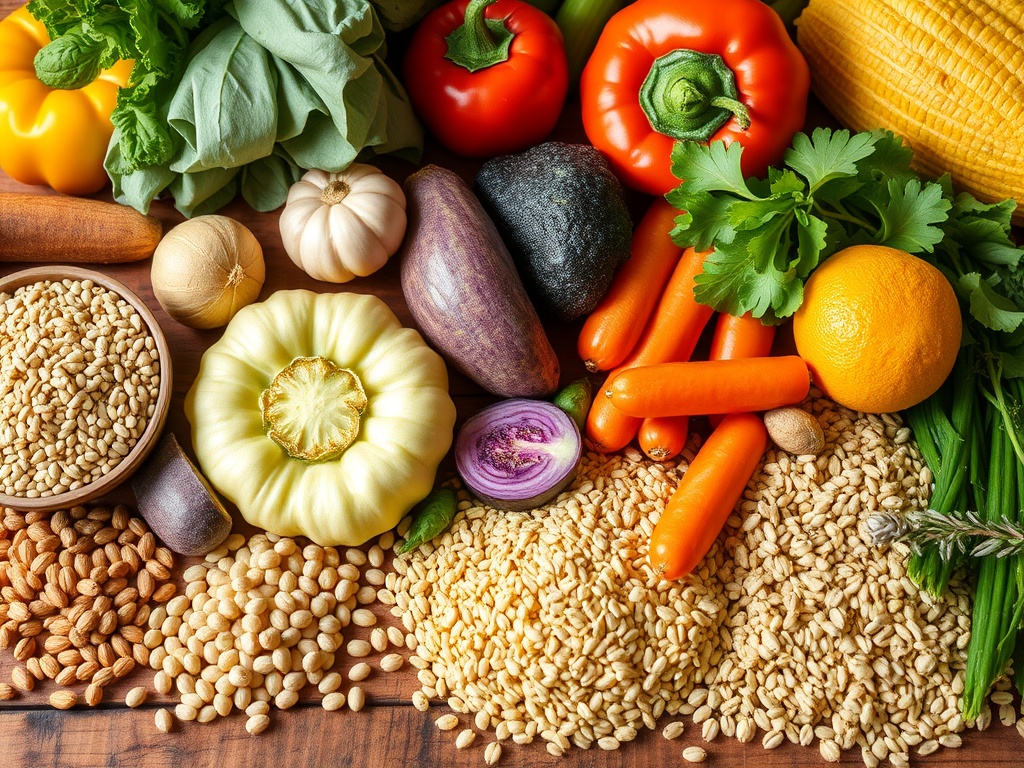
Essential nutrients for male health include protein for muscle maintenance, zinc for immune function and testosterone support, omega-3 fatty acids for heart and brain health, magnesium for muscle recovery and sleep quality, and B vitamins for energy metabolism. Don't neglect fiber for digestive health, antioxidants for inflammation control, and vitamin D for bone strength and hormonal balance. Individual needs vary based on age, activity level, and health goals, requiring personalized assessment.
How much protein should I consume daily?
Daily protein intake depends on your activity level and fitness goals. Generally, aim for 0.8 to 1 gram per pound of body weight if actively training. Sedentary men need approximately 0.8 grams per kilogram of body weight. Distribute protein throughout the day across three to four meals for optimal muscle protein synthesis. Quality sources include chicken, fish, eggs, Greek yogurt, legumes, and nuts. Timing matters too—consume protein within two hours post-workout for maximum recovery benefits.
What foods should I avoid for better health?
Limit highly processed foods high in refined sugars, unhealthy fats, and sodium. Regular consumption of sugary drinks, fast food, and processed snacks increases inflammation, disrupts hormones, and accelerates aging. Reduce alcohol intake as it impairs testosterone, damages liver function, and contributes empty calories. Watch portion sizes with calorie-dense foods even if healthy. Eliminate trans fats and excessive vegetable oils. Focus on whole, unprocessed foods instead. Small dietary adjustments create substantial long-term health improvements.
How does hydration impact male performance?
Proper hydration is fundamental for athletic performance, cognitive function, and hormonal balance. Even mild dehydration reduces strength, endurance, and recovery capacity. Aim for half your body weight in ounces of water daily, adjusting for exercise intensity and climate. Water supports nutrient transport, temperature regulation, muscle contractions, and hormone production. Don't wait until thirsty—establish consistent hydration habits. During intense workouts, include electrolytes. Monitor urine color as a hydration indicator.
Additional Nutrition Strategies for Comprehensive Men's Health

Should I take supplements for muscle growth?
Whole foods should form your nutrition foundation before considering supplements. Creatine monohydrate and whey protein isolate have strong scientific support for muscle development when combined with resistance training and adequate calories. Vitamin D, omega-3s, and magnesium benefit most men. However, supplements fill gaps created by inadequate diet or specific deficiencies—they don't replace proper nutrition. Consult a nutritionist to identify your specific needs. Quality matters; choose third-party tested products.
What dietary changes reduce cardiovascular risk?
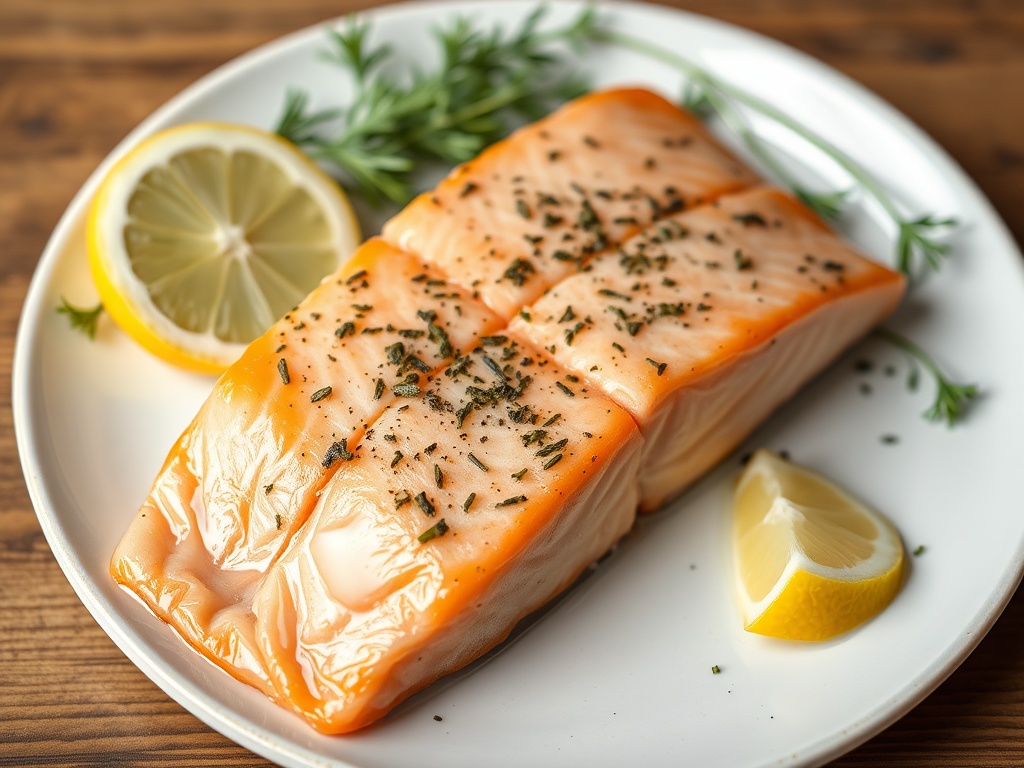
Heart health improves through consuming more fiber, lean proteins, and omega-3 rich fish like salmon and sardines. Replace refined carbohydrates with whole grains and increase vegetable intake to ten servings daily. Limit sodium to under 2,300 milligrams per day and reduce saturated fats. Include antioxidant-rich foods like berries, dark leafy greens, and nuts. Maintain healthy body weight through balanced nutrition and regular exercise. These modifications significantly decrease heart disease, stroke, and hypertension risk.
How can I optimize nutrition for better sleep quality?
Sleep quality directly correlates with nutritional choices throughout the day. Avoid caffeine after 2 PM and heavy meals within three hours of bedtime. Include magnesium-rich foods like almonds, pumpkin seeds, and spinach to promote relaxation. Complex carbohydrates consumed two to three hours before bed facilitate tryptophan absorption, supporting melatonin production. Stay hydrated but reduce fluids close to bedtime. Establish consistent meal timing to regulate circadian rhythms naturally. Quality nutrition creates natural sleep patterns.
What's the connection between diet and testosterone?
Testosterone production relies on adequate zinc, vitamin D, selenium, and healthy cholesterol intake. Red meat, oysters, pumpkin seeds, and eggs provide testosterone-supporting nutrients. Excessive refined sugars and unhealthy fats suppress testosterone levels. Maintain healthy body composition through balanced nutrition—excess body fat increases estrogen and lowers testosterone. Sleep, stress management, and exercise complement dietary choices. Avoid extreme calorie restriction which can significantly decrease testosterone production.
How can I maintain muscle while losing body fat?
Strategic nutrition preserves muscle during fat loss by maintaining adequate protein intake—aim for one gram per pound of target body weight. Create a moderate calorie deficit of five hundred to one thousand calories daily rather than extreme restrictions. Combine strength training with proper nutrition to signal muscles for retention. Include resistance exercises three to four times weekly. Time protein consumption around workouts for optimal muscle protein synthesis. Patience matters—gradual fat loss preserves more muscle mass.
What nutrition tips help with joint and bone health?
Strong bones and healthy joints require adequate calcium, vitamin D, magnesium, and phosphorus. Include fatty fish, dairy products, leafy greens, and fortified foods. Collagen-rich foods like bone broth support joint structure and flexibility. Omega-3 fatty acids reduce inflammation affecting joints. Avoid excessive sodium and caffeine which can interfere with calcium absorption. Weight-bearing exercise combined with proper nutrition strengthens bones and improves joint stability. Prevention through nutrition is simpler than addressing problems later.


Get your personalized nutrition assessment today
Fifteen years helping men achieve optimal health through nutrition